 Golden Retriever
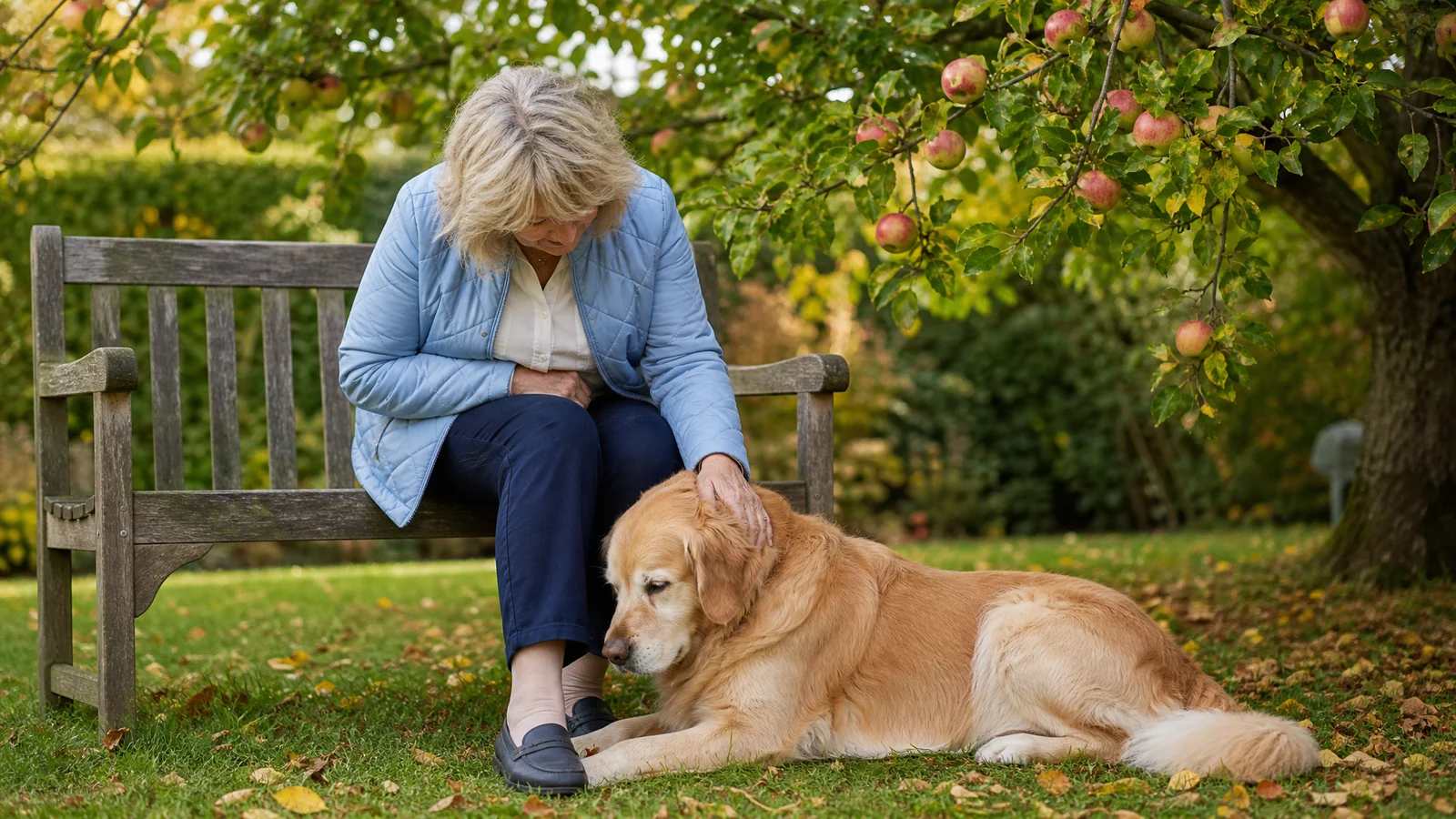
A new home can make even a familiar cue feel unfamiliar. Older and adopted Golden Retrievers can keep learning, but the useful starting point is what this dog can do comfortably now, not what their age or unknown history says they ought to know. Begin by watching rest, movement, response to ordinary routines, and willingness to take part.
This guide covers two different situations: a newly adopted dog who is still learning the household, and an established older dog whose familiar lessons need adjustment. We will build one predictable relearning method, protect quiet arrival time, adapt the setup without claiming age explains every change, and end with a recorded baseline for the next lesson.
Start With the Golden Retriever in Front of You
Write down what is known and leave blanks where the history is unknown. Previous cue words, meal times, resting places, mobility notes, and household records can help, but a label such as trained, rescue, or senior does not describe the response you will see today. Every dog within a breed remains an individual.
Adjustment does not follow one deadline. Humane World for Animals notes that acclimation can take days, months, or longer, especially after several homes or shelters. Use that range to avoid a countdown, not to predict how long one Golden Retriever will need.
Observe before adding demands. Notice where the dog chooses to rest, whether they can eat and move normally, what ordinary sounds interrupt them, and whether a familiar-looking cue produces a comfortable response. We are building a present baseline, not testing which parts of a former life can be recovered on command.
Keep regular vet visits and raise a sudden change in movement, appetite, sleep, hearing, vision, or willingness to participate with your veterinarian. Pause the lesson when discomfort may be involved. Training can clarify a routine, but it cannot explain a new physical change.
Rebuild Familiar Routines With an Older Dog
Choose one useful routine that the dog can already approach, such as going to a bed, pausing at a doorway, or turning toward a familiar sound. The American Veterinary Society of Animal Behavior supports positive reinforcement for newly adopted dogs. Keep the exchange easy enough that the reward follows a voluntary response.
Use this approach for one routine at a time. It is an observation-and-relearning loop, not a complete lesson for every household skill:
- Observe the routine once without repeating a cue or guiding the dog into position.
- Choose one response that would make daily life clearer, and set up a familiar, comfortable place to practice it.
- Mark and reward the smallest useful version the dog offers voluntarily.
- Review what changed, then repeat only if the dog remains loose, engaged, and willing.
If the response is absent, change the setting before changing the dog. A different floor, caller, doorway, reward, or time of day can alter the task. Return to the easiest version and look for participation rather than assuming the dog forgot, refuses, or must start on a puppy calendar.
Progress means the routine becomes easier to predict and repeat. It does not require longer sessions or a display of everything the dog knows. One calm bed choice or one comfortable doorway pause can be enough information for the next day.
An Adopted Dog Needs a Manageable Arrival
A newly adopted dog first needs a household they can understand. Limit the number of rooms, visitors, cues, and outings competing for attention, while keeping food, rest, toilet access, and leashed movement predictable. Quiet structure creates opportunities to observe. It is not a claim that every dog needs the same settling schedule.
New Home, Unknown Cues
A word that worked elsewhere may have no meaning in a different room, with a different voice and a different consequence. Try a documented cue once in an easy setting. If there is no response, stop and teach the desired behavior through the general reward loop rather than saying the word louder or filling the unknown history with a story.
Household orientation is not a puppy-calendar reset. The existing Golden Retriever training timeline owns age-based puppy development. An adopted adult instead needs present-day routines, clear access to resources, and one focused lesson at a time.
Existing Habits Worth Keeping
Keep useful habits when they fit the new home. A dog who rests on a mat, waits for a door, responds to a hand signal, or follows a familiar meal routine already has working information. Preserve that stability first, then change the cue or context gradually if the household needs something different.
Do not turn every preference into a problem to solve. A chosen resting place or familiar approach to a doorway may be safe and workable even if it is not how the household pictured the routine. Change what affects safety or daily clarity, and let harmless habits remain part of the dog's continuity.
Older Golden Retriever Training Adjustments
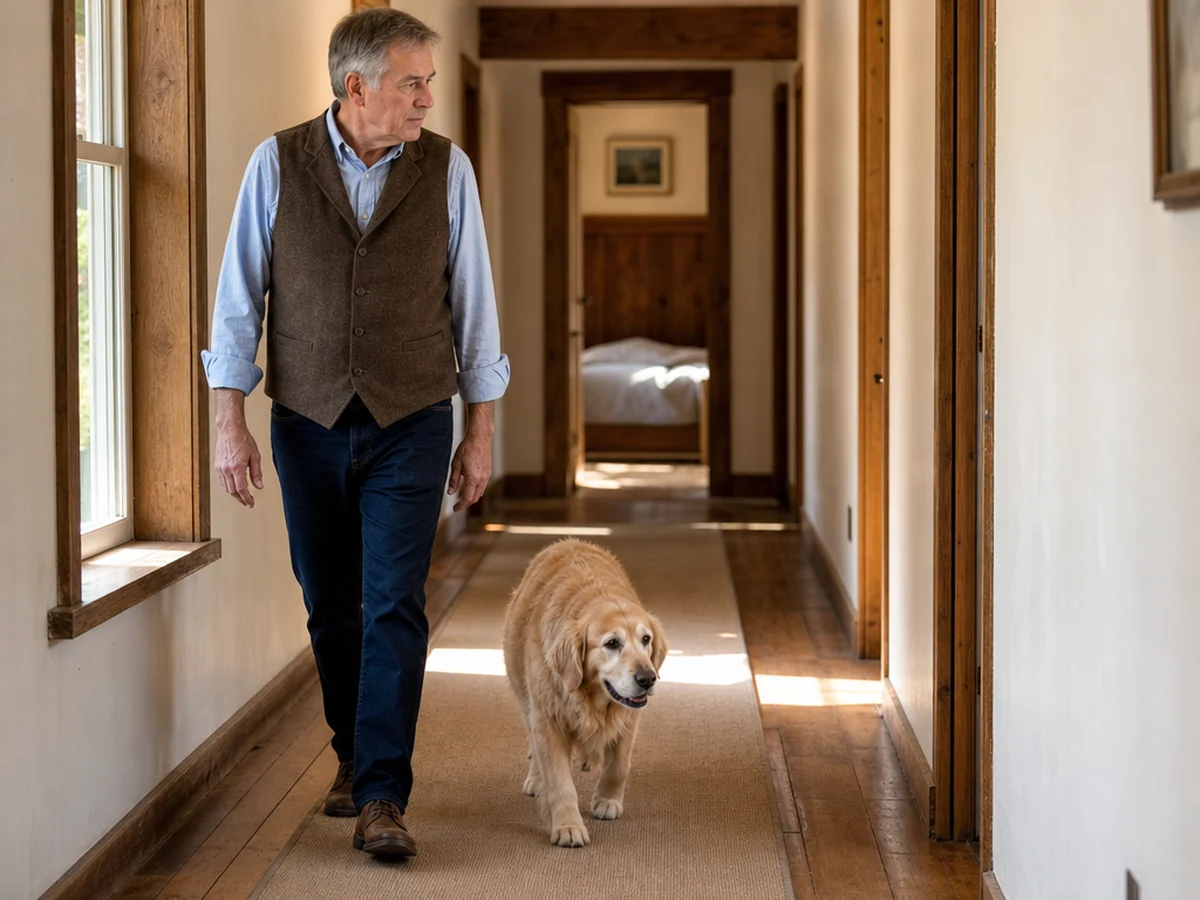
An established older Golden Retriever may know the lesson while finding the setup less comfortable than before. Adjust the environment without claiming why the change occurred. Better footing, a shorter route to the station, a different reward position, or a quieter practice area can reveal whether the dog can participate more easily.
Use observation to choose a nonmedical adaptation. The table does not identify a cause or set an exercise plan. It helps you make one practical change while veterinary care owns unexplained or persistent changes.
| What You Observe | Practical Setup Change | What to Record |
|---|---|---|
| Hesitation on a smooth floor | Move the lesson to secure, nonslip footing | Whether the same response returns on the new surface |
| Arrival slows across the room | Begin closer and reward at a comfortable height | Distance at which movement remains easy |
| Interest fades during repetition | Finish after the first clear success | Which response stayed willing and relaxed |
| Handling creates tension | Stop, reduce the request, and return another time | Where the dog first showed concern |
For nail handling specifically, PDSA advises stopping if the dog becomes stressed, rewarding, and trying another time. Carry that narrow principle into cooperative handling. A shorter comfortable interaction gives better information than finishing while the dog is struggling.
Reward choice can change too. Food delivered low, a calm greeting, access to a preferred resting place, or the end of the session may matter more than energetic play. Let the dog's current response identify value. Age alone does not tell you which reward or session length will work.
Questions About Relearning
The useful body has covered baseline observation, one relearning loop, a manageable arrival, and environmental adjustments. These questions fill the remaining gaps about keeping old cues, adding a hand signal, and choosing individual help without repeating a puppy lesson.
- Should an adopted Golden Retriever keep familiar cue words?
- Yes, when the words are documented and still produce a comfortable response. Keep the familiar version while the dog learns the household, then attach a new cue gradually if consistency requires one. Do not assume a lack of response proves the cue was never known.
- Can an older dog learn a hand signal instead of a spoken cue?
- Yes. Pair the new signal with a response the dog can already offer, mark the voluntary behavior, and reward it. Practice in an easy setting before treating the signal as understood elsewhere.
- How should a family choose help when relearning stalls?
- Start by describing the exact setting, response, and practical goal. Best Friends Animal Society recommends asking a trainer about their methods and specific techniques, then moving on if they will not answer clearly. Involve a veterinarian first when a sudden change or possible discomfort is part of the picture.
Let the Older Dog's New Baseline Guide Training
Record what is comfortable now: the room where the dog rests, the surface where movement is easy, the cue or gesture that produces a willing response, and the reward that keeps the exchange relaxed. Compare the next session with that baseline, not with a puppy milestone or an assumed former standard.
Choose one small next lesson and preserve everything that already works. A newly adopted dog may need more predictability before more teaching, while an established older dog may need the familiar lesson moved to a better setup. In both cases, progress starts with the individual beside you and grows from clear, rewarded choices.
 Puppy trainingHow to House Train a Golden Retriever Puppy
 Training basicsHow to Teach a Golden Retriever to Come When Called
 BehaviorGolden Retriever Resource Guarding: Safer Trades and Boundaries