 Golden Retriever
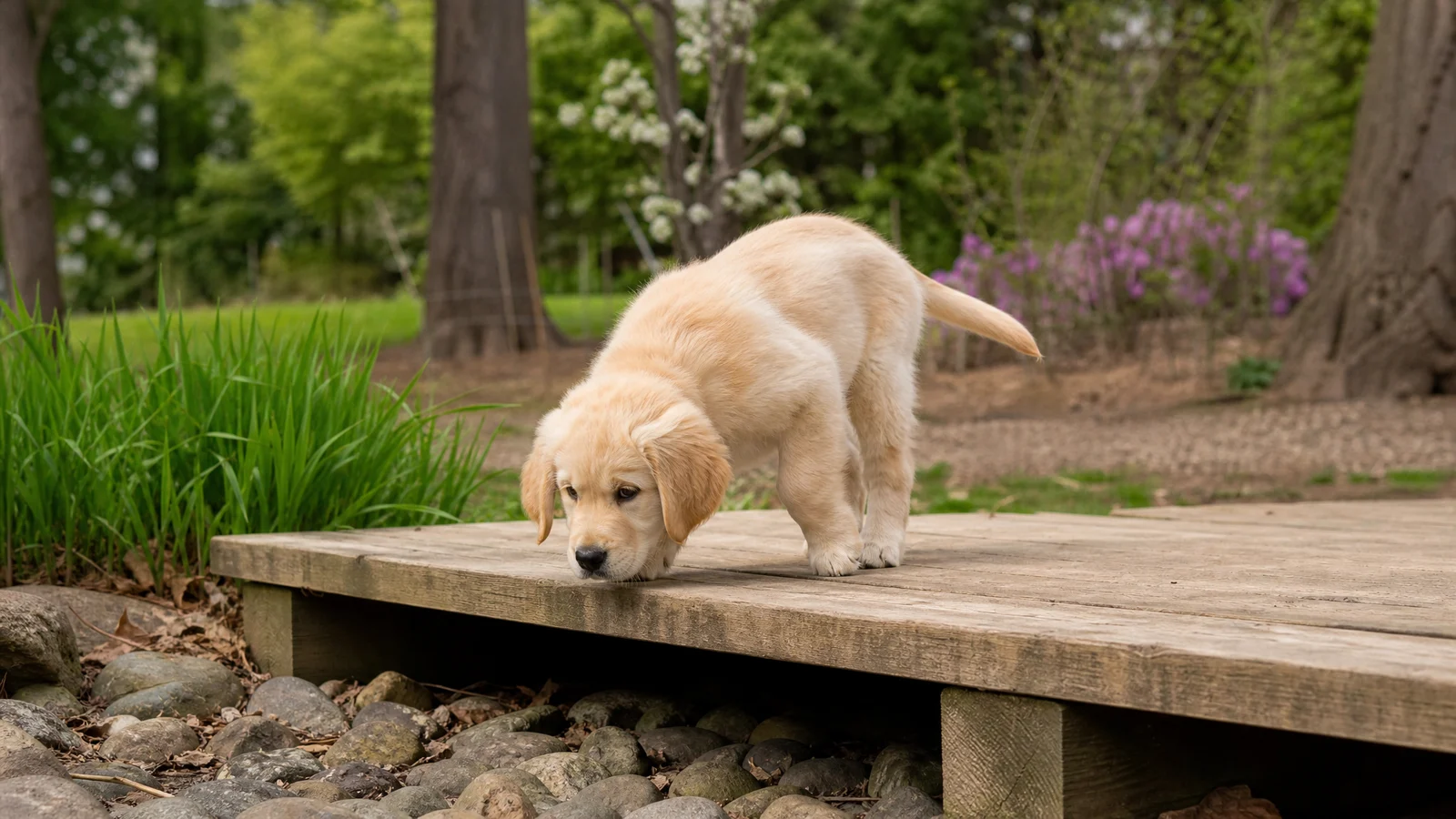
Socialize a Golden Retriever puppy by planning a range of low-pressure experiences, rewarding calm or curious engagement, and allowing them to leave when they are uncomfortable. Socialization is not a race to meet the most people or dogs, and a greeting is never required for an experience to count.
A useful plan covers people, animals, places, sounds and surfaces while keeping each exposure small enough for the puppy to observe and recover. That matters for a Golden Retriever because an eager approach can look successful even when the puppy has not practiced pausing, checking in or moving away.
This guide builds an experience map first, then separates optional greetings from health-aware access. The general exposure method comes later, after the setting and purpose are clear, and a simple log helps you decide which categories need more preparation rather than more intensity. It also prevents one sociable-looking moment from becoming the standard for every later encounter. The map helps handlers preserve distance, access and exits when plans change.
Build a Golden Retriever Socialization Map
Start with categories instead of a long list of individual encounters. UC Davis School of Veterinary Medicine describes approximately ages 3 through 14 weeks as the general critical social-development window. That window is important context, but it does not make every puppy ready for the same contact or turn a missed event into permanent failure.
The map below is a planning aid, not a quota. Choose one low-pressure version of a category and record a neutral observation, such as whether the puppy could eat, turn away or resume moving. Do not score the puppy or require excitement, friendliness or physical contact.
| Experience Category | Low-Pressure Version | Neutral Observation to Record |
|---|---|---|
| People | Watch one person pass at a comfortable distance | Could the puppy look and then return attention to you? |
| Animals | Observe a calm animal without approaching | Could the puppy remain loose enough to move away? |
| Places | Pause at the quiet edge of a new setting | Did the puppy explore, rest or choose to leave? |
| Sounds | Hear one everyday sound from farther away | How quickly did ordinary activity resume? |
| Surfaces | Offer a stable, unfamiliar texture beside a familiar one | Did the puppy choose to investigate without being placed on it? |
Keep the category broad enough to reveal gaps. Meeting similar adults does not cover people who move differently or carry unfamiliar objects, and one busy place does not prepare a puppy for every sound or surface. Variety should come from thoughtful categories, not a crowded calendar.
Plan the easiest version before leaving home. Decide where the puppy can stand or settle, how you will create distance, what reward you will use and how you will exit. Preparation keeps the exposure focused on observation rather than improvising after the puppy is already overwhelmed.
Golden Retriever Greetings Are Optional
A Golden Retriever who moves toward someone does not automatically need to greet. Approaching can reflect curiosity, excitement or simple momentum, and contact may make it harder to practice returning attention to the handler. Let the purpose of the exposure decide whether a greeting adds anything useful. The better test is whether contact supports calm engagement or merely adds excitement that the puppy cannot yet leave.
Use a greeting only when the other person or animal is appropriate, the puppy can approach without dragging you forward, and you can end the contact while everyone remains comfortable. A puppy who watches from a distance, takes a reward and leaves has still learned something valuable about that setting. A neutral pass can be the most useful outcome.
Do not turn sociability into an obligation. If your Golden Retriever is busy scanning, leaning away, refusing food or repeatedly trying to increase distance, skip contact and make the next choice easier. Best Friends Animal Society recommends avoiding forced, overwhelming exposure while keeping interactions positive and short.
Interactions between dogs need their own standards for matching, supervision and ending play. Use the Golden Retriever pet introductions guide for that ongoing relationship work instead of asking a socialization outing to teach the entire play method.
Children also need a household safety plan that goes beyond exposure. The Golden Retriever child safety guide owns supervision, daily boundaries and protected rest, while this page stays focused on low-pressure experience and recovery.
Socialization Questions That Change the Plan
Some questions change where an exposure happens or whether it should happen at all. Resolve these gaps before adding another category so that a puppy is not woken, carried into a crowd or placed in a class simply to keep a schedule moving.
- Ongoing Practice
Does Golden Retriever socialization stop after the early puppy window? No. The early window is important context, but it does not finish the work. Continue low-pressure experiences as your Golden Retriever matures, using the map, optional-contact rule and recovery notes when situations change.
- Class Coverage
Does one puppy class cover every kind of new experience? No. A class is one setting with its own people, sounds, surfaces and routines, so use it as one category rather than a complete socialization plan. Your map should still identify everyday experiences that do not occur there.
- Rest
Should a resting puppy be woken for a socialization opportunity? No planned encounter is worth interrupting needed rest. Add the opportunity to the map for another time, and choose an awake window when the puppy can observe and recover without being pushed through fatigue.
Distance can preserve enough attention for the puppy to recover. A clear exit keeps that choice available when the setting changes.
A question that reveals established fear belongs outside this page's scope. If a puppy already shows persistent distress around a category, stop collecting exposures and seek individualized guidance from a qualified reward-based professional. Socialization planning is not a substitute for a fear-treatment plan.
Choose Safe Socialization Access While Vaccination Is in Progress
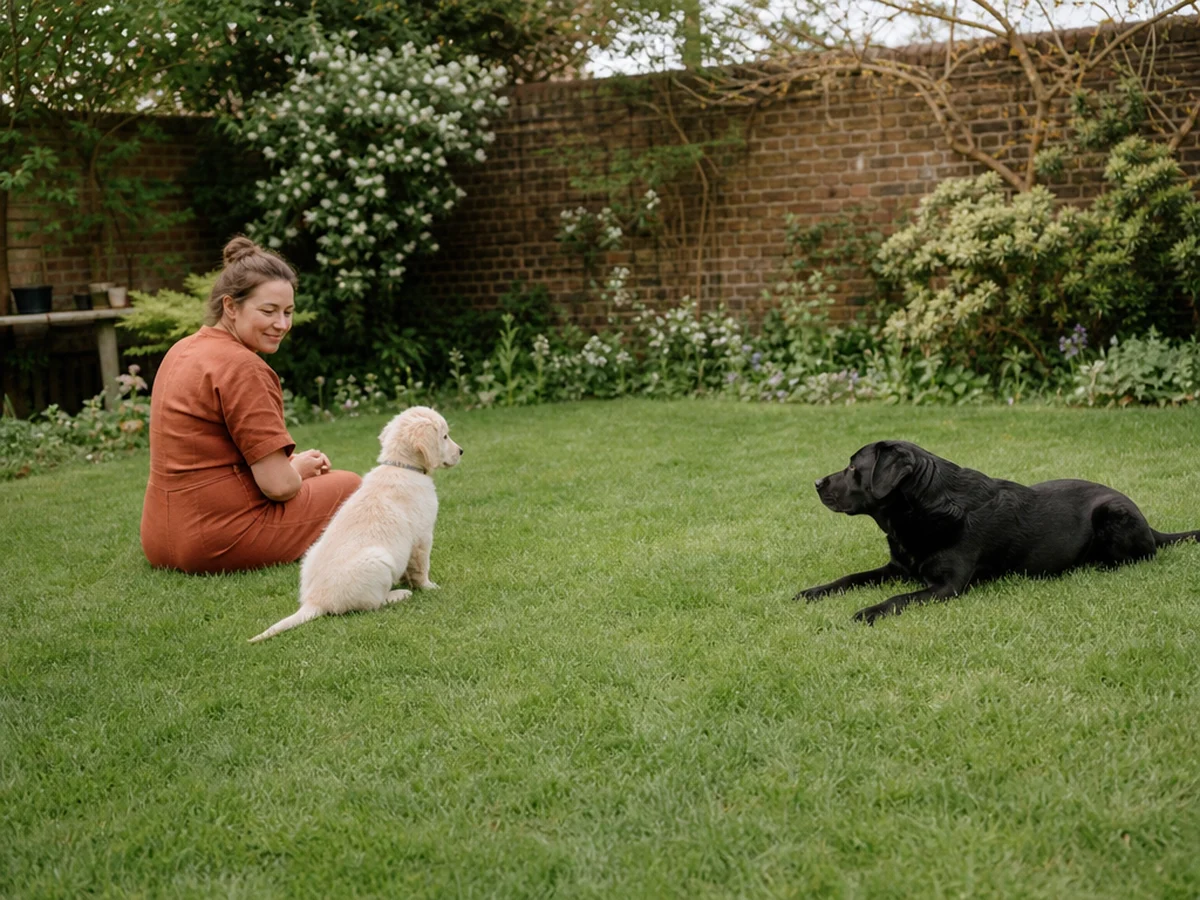
Early learning and disease risk are separate decisions that must be considered together. The American Veterinary Society of Animal Behavior states that puppies should receive socialization before they are fully vaccinated. That position does not identify which local surfaces, classes or animals are appropriate for your individual puppy.
We recommend regular veterinary visits and a specific conversation about vaccination status, local disease risk, class requirements and ground access. Your veterinarian can help define safe options for the area. Training guidance should not replace that medical judgment.
Access can change without changing the category. A puppy might watch people from a clean, controlled location, hear traffic from inside a vehicle with safe ventilation, or observe activity from a distance chosen with veterinary guidance. The goal is an appropriate learning opportunity, not a workaround that ignores health advice.
Write the access decision beside the category so every handler follows it. Note whether the puppy will observe from a controlled indoor area, a clean location approved by the veterinarian or another protected setup. Consistent access prevents one person from turning a cautious plan into an unplanned ground-level greeting.
Do not chase every possible version of a category. Instead, ask what changes the puppy can notice, such as movement, volume, location or appearance, and introduce one change at a time. That approach makes the log useful because you can connect the puppy's response to a specific difference in the setup.
Observe Without Joining the Activity
Position yourself so withdrawal is genuinely available. A short leash should provide safety without pulling the puppy toward the event, and your body should not close the only route away. If the environment cannot provide that choice, select another observation point rather than relying on rewards to overcome the setup.
Choose a position where the puppy can see or hear the event without being surrounded. Stay near an exit, keep the leash loose enough for ordinary movement, and avoid blocking the puppy's path back to you. If the puppy settles, the observation can end there without moving closer.
Watch for changes in engagement rather than waiting for a dramatic reaction. A puppy who stops taking a usual reward, cannot turn away or keeps trying to retreat is giving useful information about access and distance. Increase space or leave, then record the category as needing more preparation.
Do not let another person's enthusiasm decide the exposure. A request to pet the puppy, a loose invitation to join play or the promise that an animal is friendly does not replace your own access plan. Declining contact can preserve a calm experience and keep the category available for a better setup later.
Recovery adds information that the first look cannot provide. Notice whether the puppy can sniff, walk, rest or engage with you afterward. A delayed return to ordinary behavior may mean the category was harder than it appeared during the encounter, which should shape the next access decision.
A General Method for One Planned Exposure
Use the following general method only after choosing one category and confirming safe access. It is reward-based, brief and voluntary, and it separates observation from a greeting. A successful exposure ends with useful information, even when the puppy never moves closer.
- Choose one category. Name the person, animal, place, sound or surface you are introducing, and leave unrelated challenges for another outing.
- Set access and distance. Begin where the puppy can notice the experience while retaining a clear path away, and identify the exit before anything changes.
- Observe before prompting. Let the puppy look, listen or sniff without repeatedly calling them toward the event.
- Reward or withdraw. Reinforce neutral or positive engagement, and increase distance when the puppy becomes uncomfortable.
- Record recovery. Note whether the puppy could reorient, move normally and resume an ordinary activity after the exposure, including how the response changed once distance increased.
- Finish without adding a greeting. End once the category has provided enough information, rather than attaching contact as a final test.
The American Veterinary Medical Association recommends rewarding positive or neutral engagement with praise, play or treats, allowing withdrawal and moving at the pet's pace. Those principles keep the method centered on the puppy's response rather than the handler's schedule.
Select rewards by observing what the puppy can use in that setting. Food, play and calm movement can all support engagement, but a reward that works in the kitchen may be irrelevant near a new sound or animal. If the puppy cannot use the planned reward, adjust distance or access instead of increasing pressure.
Review the Socialization Log Before Adding Variety
Review the log by category, not by outing count. For each entry, note the access point, what the puppy noticed, whether they could use a reward, what ended the exposure and how recovery looked. Also record whether the puppy chose to approach or stay. These details show where the setup works, but they do not mean a whole category is complete. Compare notes from similar setups so a shift in distance, sound, motion or place stays visible.
Next, find gaps and patterns of strain. A puppy may cope with places while sounds stay hard, or watch adults calmly while fast motion blocks recovery. Build a lower-pressure version of that category before adding novelty elsewhere. Change a single part of the setup, keep other supports and record the result. If the result is unclear, repeat the same easy version before a change. That comparison ties the next exposure to a real gap, not to a busier plan.
Use the log to choose, not score. If distance is needed, change access. If a class leaves a gap, add a category. If fatigue affects engagement, move the exposure to another awake window. Keep greetings optional and adjust for health or comfort. Several intense repeats do not replace broad, usable coverage. This keeps variety useful instead of new. The record guides the next thoughtful choice without turning age, totals or a sociable moment into proof of completion.
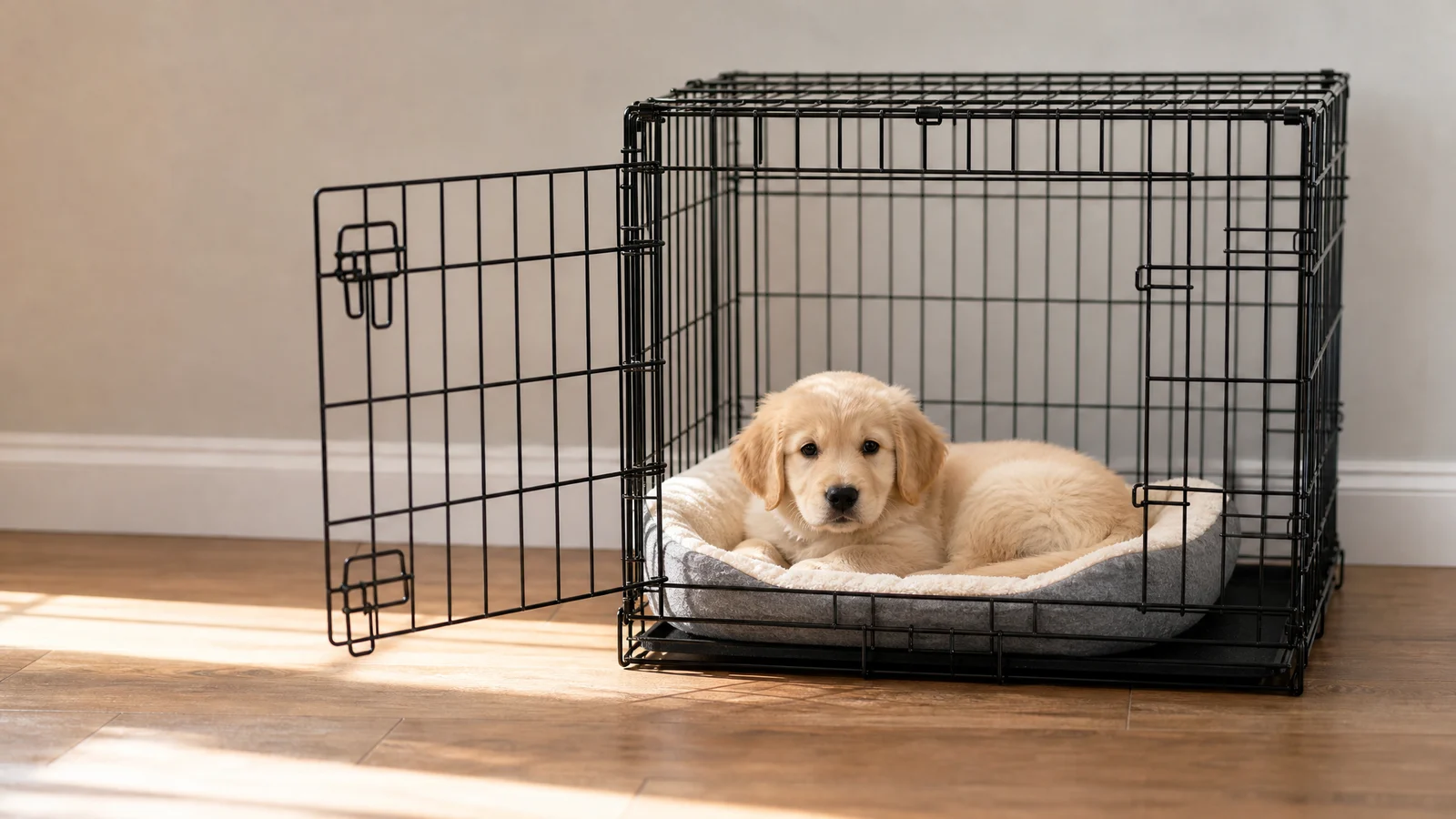 Puppy trainingHow to Crate Train a Golden Retriever Puppy
 BehaviorHow to Stop a Golden Retriever Barking
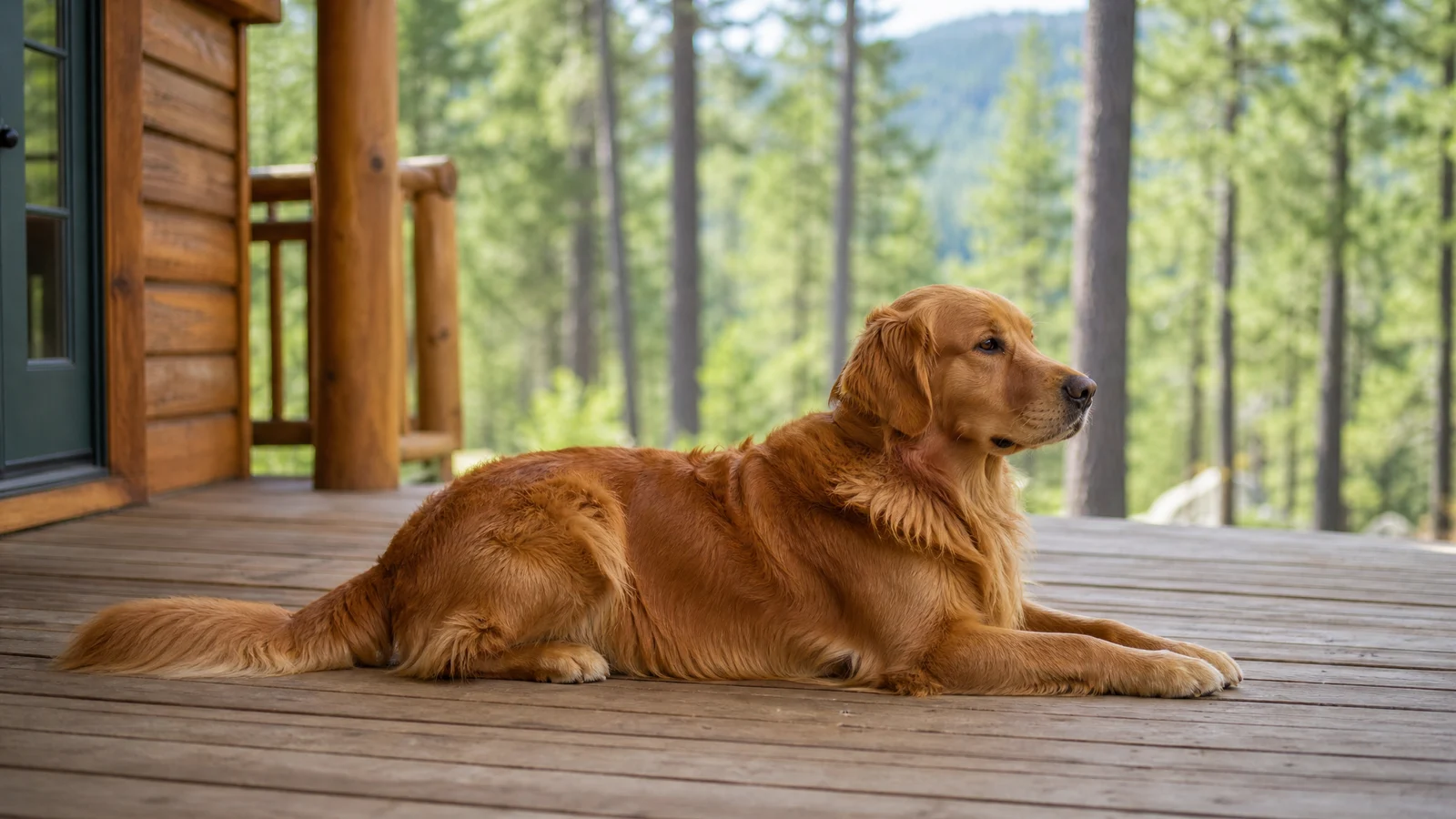 Training basicsHow to Teach a Golden Retriever to Lie Down