 Golden Retriever
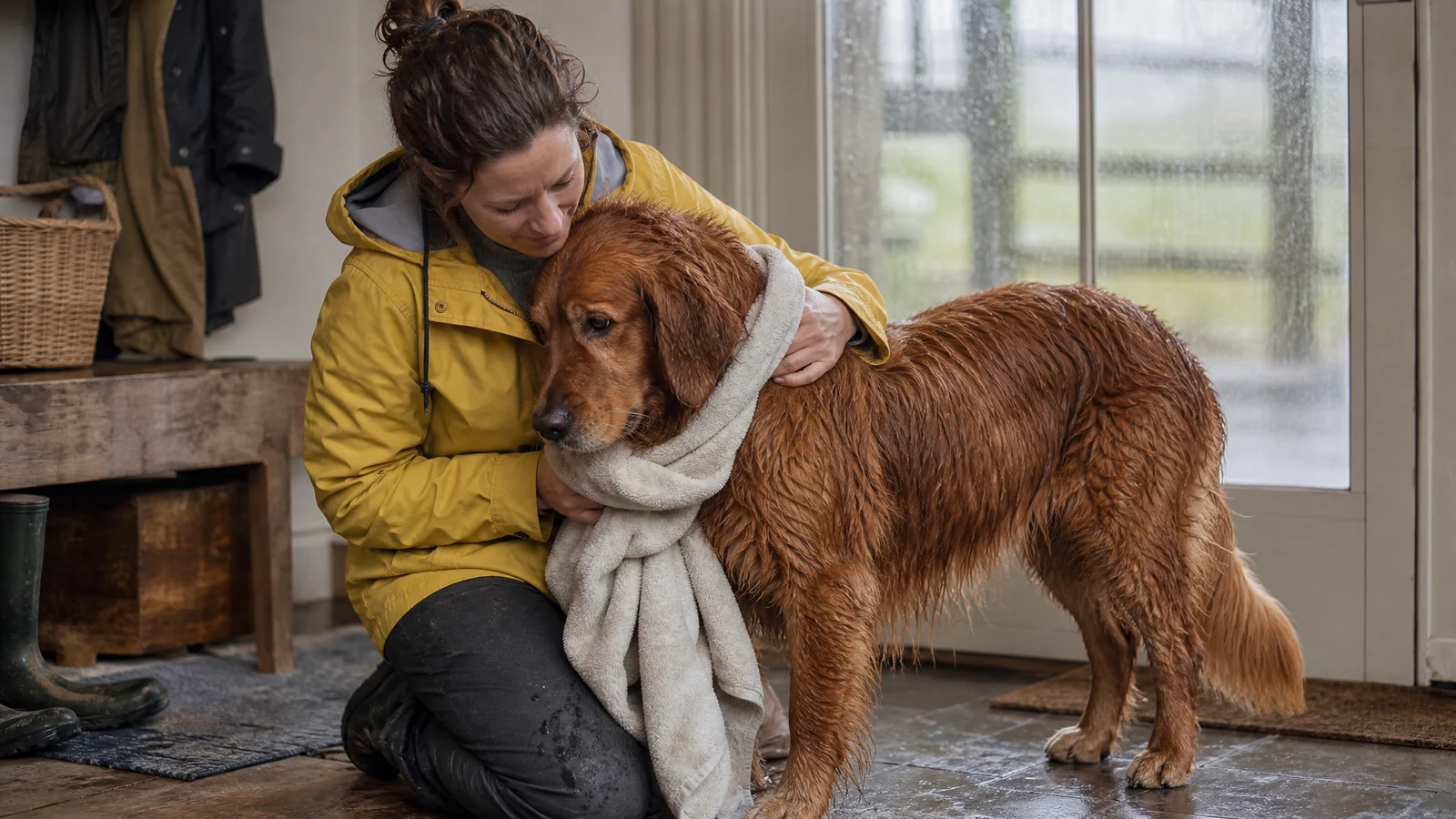
The coat after a quiet dry day needs different attention from feathers carrying water and debris after an outing. A Golden Retriever can be comfortable with a brush and still dislike the towel, bath surface or hand near an ear. Treating grooming as one long task can hide which part needs care and which part needs a smaller training lesson.
Choose the work from the coat and the day your dog has had. Then make each action comfortable enough that ordinary care does not depend on holding the dog through an increasingly difficult session.
In this guide, we move from dry brushing to wet outings and baths, with separate preparation for ears and mouth handling. You will also find a way to share the routine with another person. The goal is a maintained coat and a Golden who can participate comfortably in the care they actually need.
Dry-Day Grooming for a Golden Retriever
Look through the coat before choosing how much brushing to do. Check for loose hair, debris and areas that are beginning to tangle, especially where longer hair rubs or collects material. A brief inspection helps you avoid treating every part of the body as though it needs the same work.
A Comfortable Brushing Start
Choose a nonslip surface and a position your dog can maintain naturally. Let them see the brush, then begin with gentle contact on an area they already accept. Reward a short comfortable interaction and pause before adding more strokes.
The ASPCA's dog grooming guidance describes regular brushing as part of coat care. Use equipment suited to your dog's coat and ask a knowledgeable groomer to demonstrate if you are unsure. More pressure does not make an unsuitable tool more effective.
Watch the dog as well as the brush. A shift away, tense body or repeated attempt to leave means the session needs changing. You can stop before a growl or struggle becomes necessary communication.
Feathers and Areas That Catch
Work gently through accessible hair without pulling at the skin. If a comb catches, stop and examine the area rather than dragging it through. Tight mats, sensitive skin or material caught close to the body may need professional help.
Keep small sessions separate when that is easier. You can attend to one comfortable area now and another later, provided necessary care is not being delayed. The objective is useful maintenance, not completing the whole dog in a single sitting.
- Check the coat before deciding which areas need work.
- Use gentle pressure and stop when the tool catches or the dog becomes uncomfortable.
- Keep hair care away from busy household traffic and approaching children.
- Ask for help with tight mats rather than cutting close to the skin yourself.
Grooming After Wet or Muddy Outings
Prepare the return before taking the dog into wet conditions. Have suitable towels and a comfortable drying area ready, and keep the path indoors clear. A Golden coming home excited and damp should not first encounter a new handling routine while everyone tries to protect the floor.
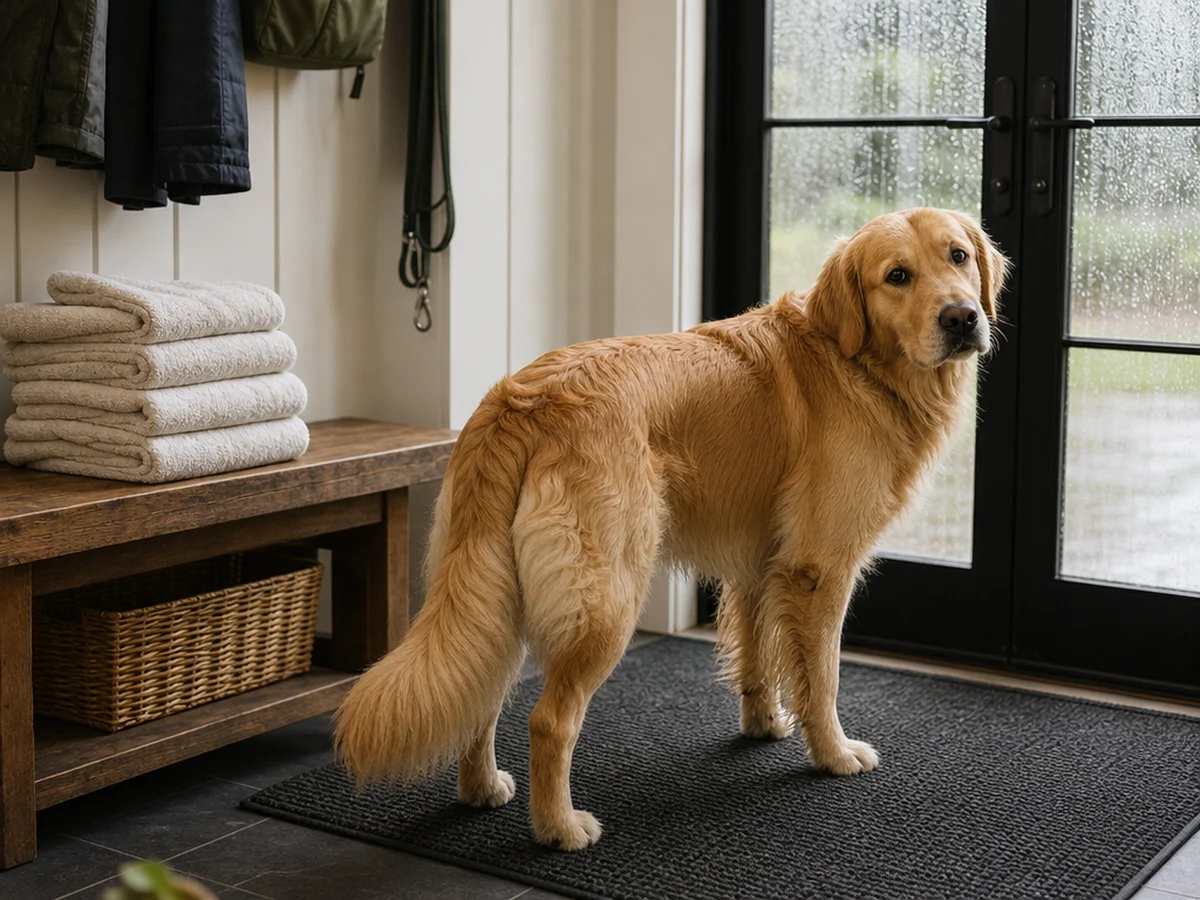
A Calm Return With Towels Ready
Teach towel contact on an ordinary dry day. Let the dog investigate the towel, then introduce a small gentle touch and reward comfort. Build toward the parts of drying you actually need without wrapping or holding the dog in a way that worries them.
After the outing, remove loose surface debris carefully and dry as appropriate for the coat and conditions. Check the longer hair and the areas that stayed damp. If something is embedded or painful, stop handling that spot and seek suitable advice.
Give the dog room to change posture. Move your own position if that makes the next gentle touch easier to accept. Standing over them and repeatedly reaching from above can make drying more difficult than the towel itself.
An Ear Check After Water
After swimming or a wet outing, look at the ears and surrounding hair while the dog is comfortable. An ear check does not mean automatically putting cleaner into the canal. Ask your veterinarian what routine is appropriate for your individual Golden.
PDSA's ear care advice says to seek veterinary guidance before cleaning, especially when ears are painful, red or unusually smelly. Do not insert cotton swabs into the canal. A dog who suddenly resists an ordinary check may need assessment rather than a more persistent handling lesson.
Keep a note of repeated concerns after water activities. That gives your veterinarian useful context without assuming that every wet outing requires the same product or procedure. Follow their advice about any treatment and future water exposure.
Bathing as a Series of Golden Retriever Grooming Tasks
A bath contains several experiences: entering the area, standing on the surface, hearing water, being wet, being rinsed and drying afterward. Teach the unfamiliar parts separately when possible. A dog comfortable with one part may still need help with another.
The Bath Area Before Water Starts
Introduce the empty area on a nonslip surface, with a safe way in and out. Reward a comfortable approach and allow the dog to leave. Avoid pulling a reluctant Golden into a tub and expecting the rest of the bath to teach confidence.
Consider your own reach and balance. If you must lean awkwardly or restrain the dog to reach each area, change the setup or arrange professional help. Safe handling matters for the person as well as the dog.
Water and Rinsing in Manageable Pieces
Use comfortable water temperature and products intended for dogs, following the product and professional guidance appropriate to the coat and skin. Keep water and products away from eyes and ear canals. Introduce water movement gently rather than starting with a sudden strong spray.
Rinse thoroughly and watch whether the dog can remain comfortable. If the process is becoming difficult, prioritize safe completion with suitable help rather than adding repeated training demands. Necessary washing and a calm practice session are not always the same task.
Plan where rewards can be delivered safely. A second adult may help if their presence is comfortable for the dog and they understand the routine.
The Drying Finish
Use the towel handling your dog already knows and check for areas that remain damp. If drying equipment is needed, introduce sound and airflow separately at a comfortable level with professional guidance. Avoid excessive heat or a setup the dog cannot move away from safely.
Do not add an unfamiliar loud dryer just because the bath went well. The successful part deserves a manageable ending. A groomer who works patiently can help choose a practical drying method for your Golden's coat and comfort.
Notice the dog's response after leaving the bath area. An easy return for a later dry practice can tell you more about comfort than a dog who remained still only while being held.
Ear and Mouth Handling Between Grooming Sessions
Practice these skills during quiet moments when no urgent care is needed. Keep the first actions very small and stop while the dog can remain comfortable. Mouth or ear handling should not be introduced only when something is already sore or needs immediate attention.
A Brief Ear Lift
Begin with familiar touch near the side of the head, reward and pause. Gradually work toward briefly lifting the ear flap enough for a look. Let the dog move away, and return to an easier touch if the new action creates concern.
Best Friends explains gradual grooming and handling practice with attention to the dog's comfort. Apply that principle to the movement of your hand, the length of contact and the equipment separately. A comfortable touch does not automatically prepare the dog for cleaning.
A Small Mouth-Care Lesson
Start with touch the dog accepts around the face before practicing a brief lip lift. Reward and release, then build gradually with your veterinarian's guidance for dental care. Do not pry the jaws open or use restraint as the first teaching method.
A Golden who happily carries toys may still be unfamiliar with someone examining their mouth. Our leave-it and release guide addresses objects, which is a different skill from accepting care. Practice both without using one as proof that the other is understood.
Stop if you notice pain, bleeding or an unexpected change in response. Needed examination belongs with the veterinary team, who can arrange appropriate handling and care.
A Grooming Handoff That Preserves Comfort
Tell another caregiver or groomer what the dog currently accepts and where the lesson remains small. Describe the actual action, such as a brief shoulder brush or a comfortable ear lift. “Fine with grooming” leaves too much room for a different person to assume more than the dog has learned.
Demonstrate the routine in a calm setting when practical. The next person may stand differently, move faster or choose another tool. Let them begin with an easy version and observe the dog's response before extending the session.
- Share which surfaces and positions keep the dog comfortable.
- Identify tools already introduced and those that are still unfamiliar.
- Explain the signs that mean the session should pause.
- Report sensitive areas and any veterinary instructions before care begins.
Use the household's familiar reward routine so the person can reproduce helpful timing. The dog should receive clear information during care, not a new set of signals from every helper.
This article covers general grooming and handling preparation, not treatment for skin, ear or mouth problems. Consult your veterinarian about pain, unusual odor, redness or changes in tolerance, and follow their instructions for any cleaning or treatment your dog needs.
Grooming Fitted to Your Golden Retriever's Actual Coat
Adjust the routine to the coat's condition, recent activities and the dog's comfort. The amount of hair left on a brush is not a reason to keep working an area that is already comfortable and tidy. Stop when the useful care is complete.
Include coat, ears and mouth comfort in regular veterinary visits. Ask for demonstrations when a care task remains unclear, and seek a patient professional for work that exceeds what you can safely manage at home.
Keep easy handling practice available between baths and messy outings. Familiar tools, small actions and dependable pauses make it more likely that the next necessary task will begin from something your Golden already understands.
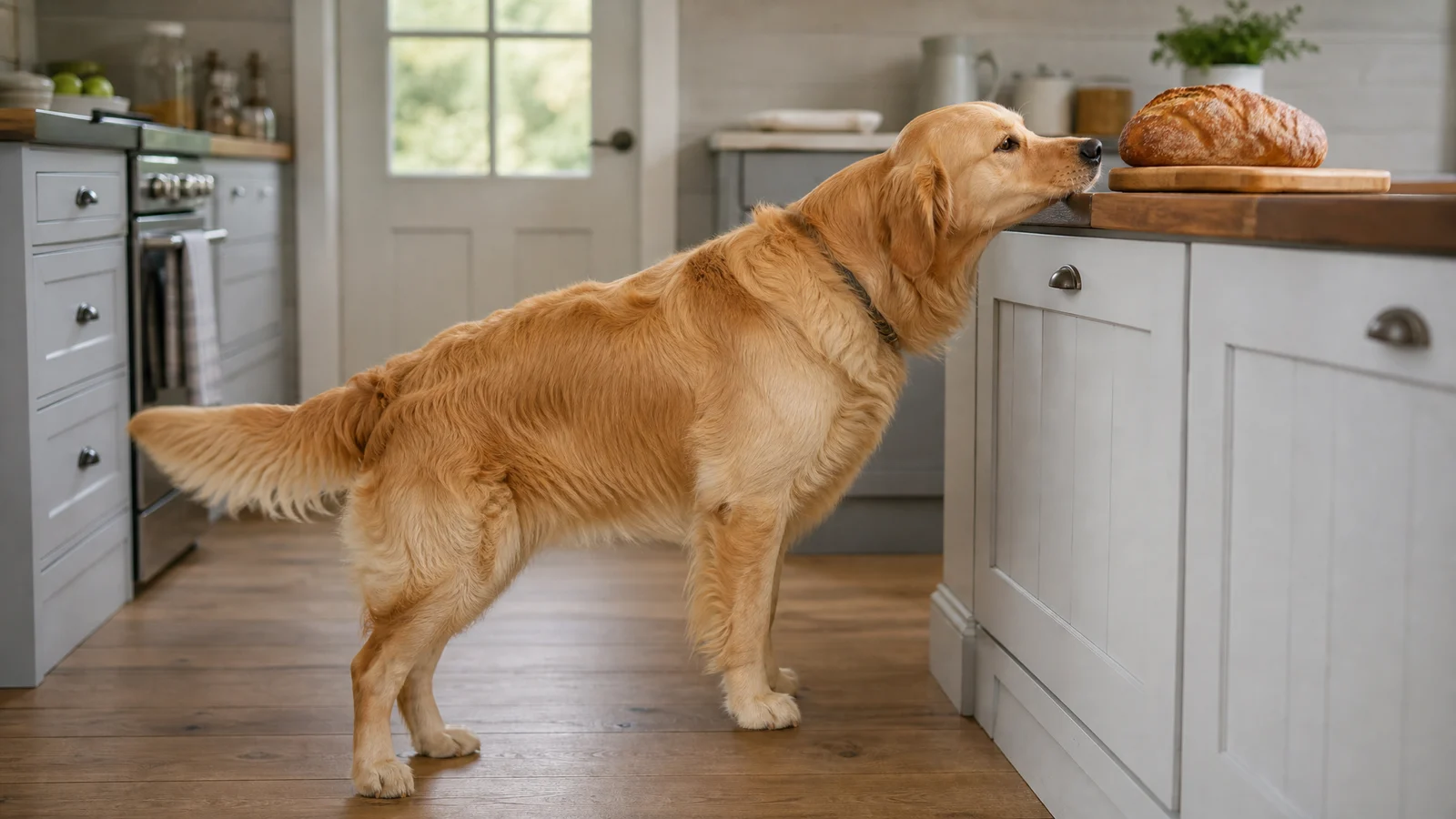 BehaviorKeeping a Golden Retriever's Nose Off the Kitchen Counter
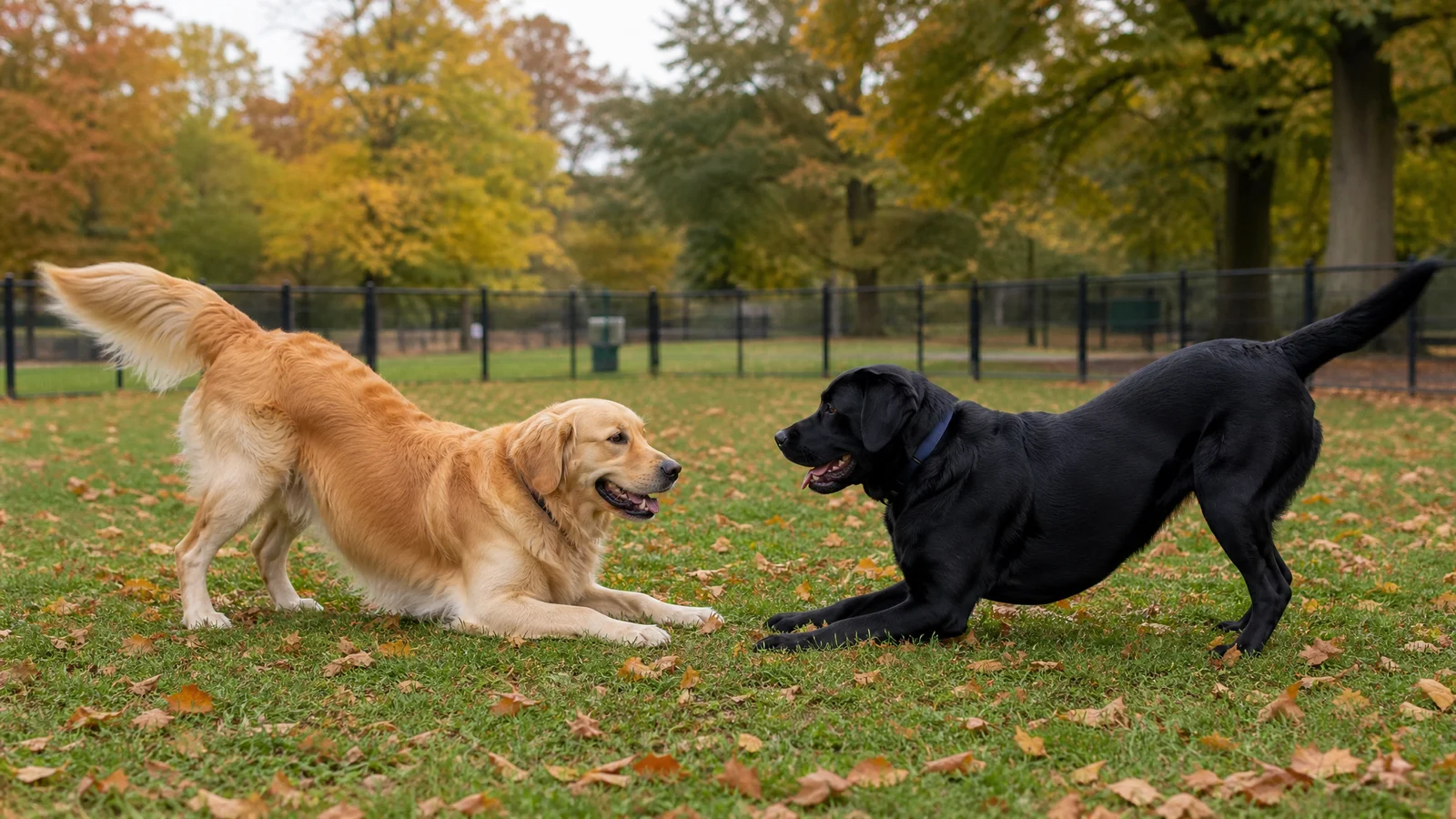 BehaviorTeaching Golden Retrievers Polite Play With Other Dogs
 Training basicsLoose Leash Walking With a Golden Retriever